The latest health hack for athletes and optimizers is decidedly lo-fi. It doesn’t have any wires or batteries. There isn’t a proprietary ingredient or banned substance involved. The sought-after substance is tart cherry juice, consumed for its potential to aid in recovery—and specifically, reduce oxidative stress.
Elite athletes aren’t the only ones with this goal.
Wellness trends often allude to oxidative stress in their appeals. For example: promoters of alkaline water claim it neutralizes free radicals, the molecules that contribute to oxidative stress. Countless supplements, like greens powders and vitamin complexes prominently emphasize antioxidant capabilities—meaning they neutralize free radicals—on their packaging.
Eradicating oxidative stress entirely, even if it were possible, would not be ideal. It’s a necessary and natural process, says Robert Kachko, ND, LAc, Director of Integrative Medicine at the Atria Health and Research Institute. But too much oxidative stress causes cell damage—which leads to health issues. “The truth is that oxidative stress is a common denominator among almost every chronic disease,” he says.
So what exactly is oxidative stress?
Oxidative stress, defined
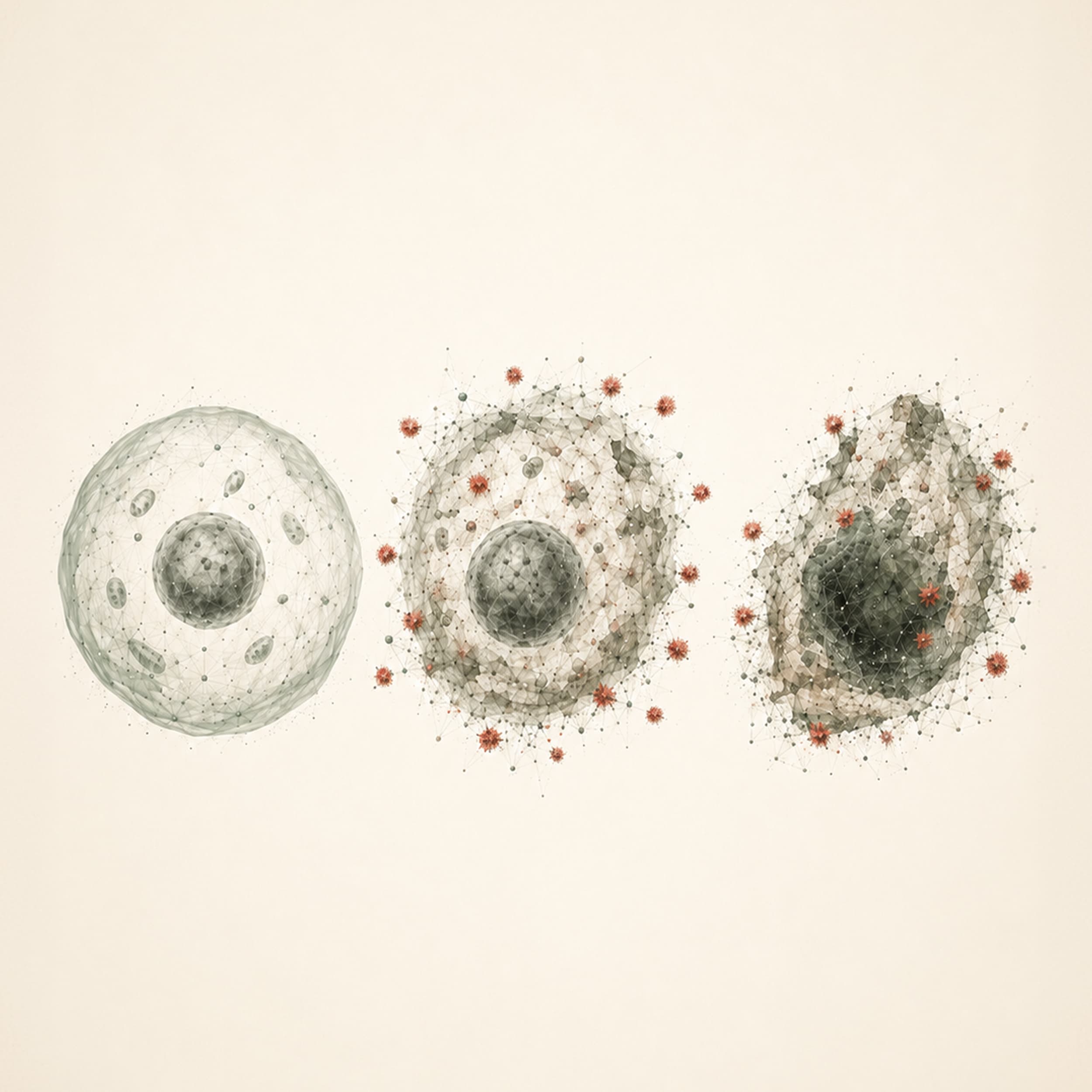
Picture the cells in the body as little engines. As they create and convert energy, they also emit exhaust, as it were, in the form of oxidative stress, which is a metabolic waste byproduct of necessary cellular processes. In an efficient system, the exhaust is cleared before it can contaminate the surrounding areas. Low, temporary amounts of oxidative stress are critical for cellular function: they trigger cell repair, tissue adaptation (like muscle recovery after exercise), and programmed cell death (apoptosis) of normal cells. When oxidative stress accumulates, however, it creates an unhealthy environment for cells to operate.
“Generally,” says Dr. Alon Gitig, Director of Preventive Cardiology at Atria Health and Research Institute, “that’s why oxidative stress is understood to be part of the aging process.” Oxidative stress can also be introduced by external sources like UV radiation, pollution, and smoke.
Oxidative stress isn’t always harmful. In small amounts it can actually be helpful, like when it prompts the muscles to adapt to resistance training. It also triggers autophagy, the body’s mechanism to clear out damaged cells and cellular infrastructure, keeping tissues and organs healthy.
The particles that make up oxidative stress are called reactive oxygen species (ROS), also often called free radicals, can wreak havoc on many critical functions: If they bind with DNA, they can make genes more unstable; if they interact with proteins, the proteins can start operating unpredictably. “With enough oxidative stress over time, you’ll get dysfunction in any organ,” Dr. Gitig says. He describes oxidative stress as the precursor to inflammation—if reactive oxygen species are present in a tissue, inflammation will follow.
Oxidative stress and disease
As a cardiologist, Dr. Gitig is deeply familiar with the role of oxidative stress in atherosclerosis, the buildup of plaques in the arteries and the leading cause of cardiovascular disease. Plaques develop after LDL particles get stuck in the artery walls—and some research suggests that oxidative stress might be an accelerating ingredient for plaque formation to occur and progress in the first place.
“Once an LDL particle is oxidized, the immune system is triggered,” Dr. Gitig says. The immune system responds to cholesterol as a foreign threat. Immune cells report to this site, attempting to destroy the oxidized cholesterol—but when the immune cells cannot break it down as fast as it accumulates, it piles up inside these cells and forms soft plaque.
Oxidative stress double-crosses your artery walls in two distinct ways; it damages the delicate inner lining of your blood vessels (endothelium), turning a naturally smooth, calm surface into an inflamed, sticky landing pad for plaque. It also alters the muscle cells that give your arteries their strength, causing them to pump out sticky proteins that trap more LDL.
Atherosclerosis is not the only condition in which oxidative stress plays a major role: it’s a key contributor in Parkinson’s disease, Alzheimer’s, diabetes, kidney disease, and cancer. In the case of cancer, free radicals are considered a double edged sword: they drive the disease, but free radicals introduced by cancer treatment drugs also kill cancer cells.
Can you test your oxidative stress levels?
Technical and practical challenges prevent oxidative-stress testing from becoming a standard practice in health care. Today, it’s mostly a tool used in research settings and clinical trials, though oxidative stress testing is also offered by some direct-to-consumer labs.
Several oxidative stress-testing methods exist today, but notably, they all measure for oxidative-stress-related damage, or evidence that oxidative stress occurred—they do not measure for reactive oxygen species directly.
The test with the most evidence is F2-isoprostanes, a biomarker of oxidative stress, measured in urine that was first developed in 1990, and is still considered the most reliable and specific way to measure oxidative stress.
Another test, TBARS (thiobarbituric acid reactive substances), identifies oxidative stress markers in the blood, but experts, Dr. Gitig among them, think it does not capture a precise picture of oxidative stress.
A newer test, 8-OHdG (8-hydroxy-2’-deoxyguanosine), measures DNA damage caused by oxidative stress, and is currently available from several direct-to-consumer labs. The evidence supporting its power for disease prediction is more established than TBARS, but it’s still early on.
As a preventive cardiologist, Dr. Gitig is most interested in F2-isoprostanes when considering oxidative-stress testing, and for good reason: studies show the higher the F2-isoprostane level, the higher the risk of coronary disease. Though options for testing oxidative stress levels remain limited, Dr. Gitig believes they have utility for some clinicians, as long as results aren’t viewed in a vacuum. “If you're willing to suspend judgment on a single value, and instead look at trends, it can be useful,” he says.
Reducing oxidative stress
There are many ways to potentially lower oxidative stress, but simply taking antioxidant supplements does not automatically eliminate free radicals or prevent disease. Researchers call this the antioxidant paradox: while dietary antioxidants from foods are protective, high doses of isolated supplements (like synthetic vitamins C and E) consistently fail to reduce long-term tissue damage or prevent chronic disease in clinical trials.
This happens for two main reasons. First, as previously noted, free radicals at low, natural levels, are essential signaling molecules that drive cell repair, immune defense, and normal physiological adaptation. Mega-dosing isolated antioxidants indiscriminately wipes out these vital signaling pathways and can even turn the antioxidants into "pro-oxidants" that increase cell damage. Second, isolated supplements fail to address the underlying inflammatory environment that continually generates free radicals in the first place.
On the other hand, whole-food dietary patterns like the Mediterranean diet succeed because they do far more than scavenge free radicals. Packed with polyphenol-rich foods, extra virgin olive oil, nuts, and colorful produce, the Mediterranean diet delivers a complex matrix of natural antioxidants and bioactives that work synergistically. Rather than trying to sweep up ROS after the fact, these dietary polyphenols simultaneously suppress inflammatory signaling triggers and activate the Nrf2 pathway—the body's internal switch that prompts cells to manufacture their own far more potent antioxidant enzymes precisely where and when they are needed.
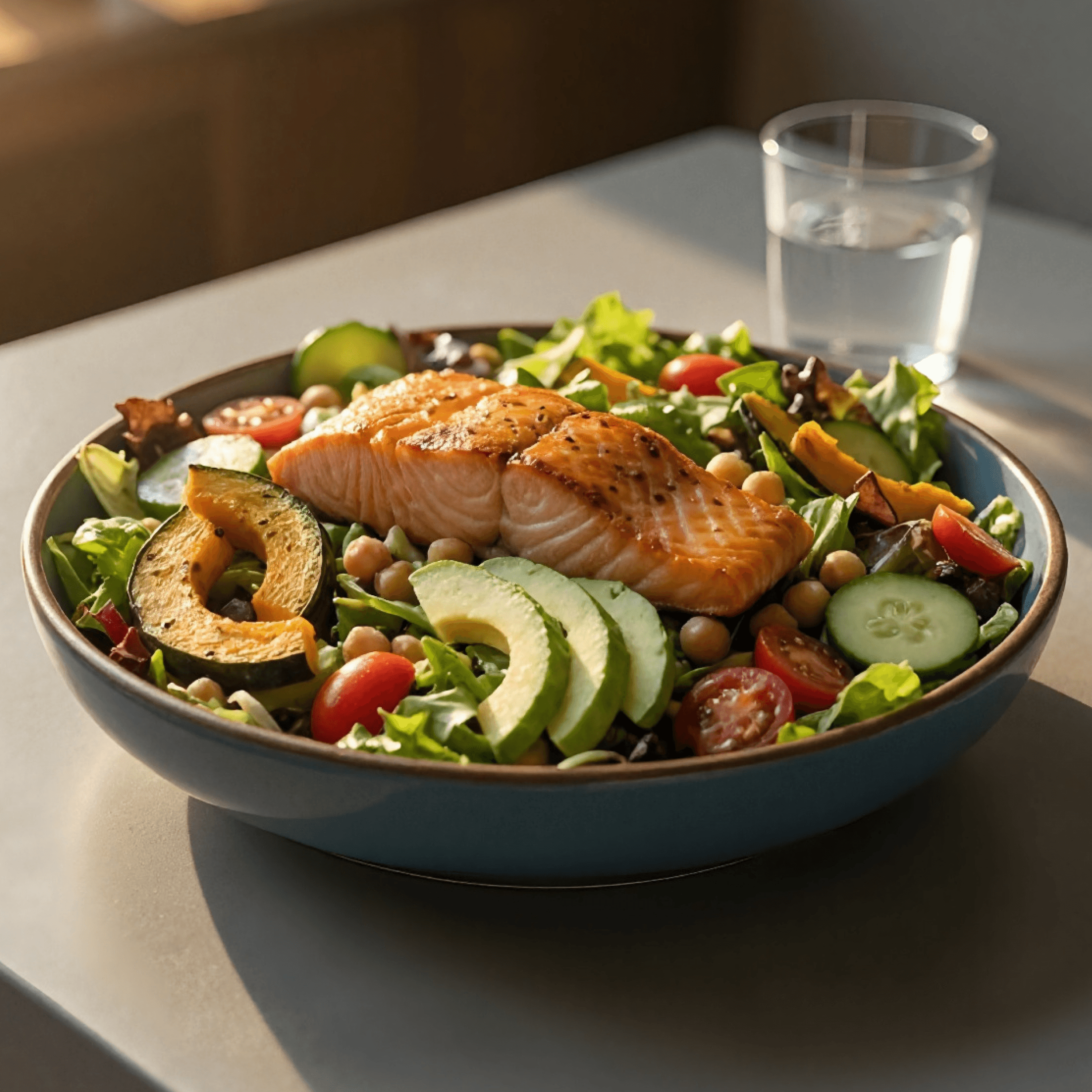
Many practices that we know to be healthy are natural ways to lower oxidative stress: emphasize movement, quality sleep, and a diet rich in fruits and vegetables all play a role, as does avoid smoking, unprotected sun exposure, and pollution.
According to Dr. Gitig, the ability to accurately measure oxidative stress could change how doctors approach prevention and treatment. “If we could reliably measure oxidative stress, we would push everybody to do whatever it takes to get it down,” he says. A reliable measure could give doctors another tool for personalizing care. For example, adjusting statin doses based on a patient’s oxidative-stress response or tailoring exercise routines to maximize its reduction. It could also offer clues to conditions such as undiagnosed sleep apnea, where oxidative stress might provide a signal that would otherwise be missed. And, perhaps most importantly, he says, patients could become more engaged in their care by seeing a measurable response to changes in their lifestyle.
The bottom line
The science of measuring oxidative stress is still catching up to the science of understanding it. Until testing improves, the most reliable strategy remains the one already backed by decades of research: sleep well, move often, and eat foods that support the body's natural defenses.