The science
While most tap water in the United States is considered safe and drinkable by federal safety standards, contaminants can still find their way into your glass. About 90% of Americans receive water from public systems regulated by the U.S. Environmental Protection Agency, while the remaining 10% rely on private wells where owners bear responsibility for water safety.
Even regulated water systems face challenges. Contaminants can enter water at its source or during transport to your home, creating exposure to substances ranging from industrial chemicals to naturally occurring elements.
The good news: Research demonstrates that water filtration can effectively remove many of these contaminants, including germs, microplastics, and chemicals such as so-called forever chemicals: per- and polyfluoroalkyl substances (PFAS).
The key to effective filtration lies in understanding what’s actually in your water, says Robert Kachko, ND, LAc, Director of Integrative Health at the Atria Health Institute. To understand what you’re filtering for, you can look up your local water quality report, use a tool like the Environmental Working Group’s (EWG) tap water database, or order an at-home test kit, such as those from SimpleLab, says Kachko. Once you know what’s in your water, that will help you prioritize what and how to filter.
The potential benefits
Water filtration addresses a range of contaminants that can affect both immediate health and long-term well-being. While not every water source contains all potential contaminants, common drinking water pollutants include:
- Chemical contaminants such as PFAS, pesticides, fertilizers, and other organic compounds from industry and agriculture pose health risks. PFAS have been linked to cancer, developmental disorders, metabolic issues, immune dysfunction, and thyroid problems, though more research is needed to fully understand their effects.
- Biological contaminants from human and animal waste can carry disease-causing microbes like Giardia and E. coli.
- Disinfectant byproducts such as trihalomethanes can contribute to cancer risk.
- Natural contaminants including arsenic, lead, copper, and radon also present health concerns. Arsenic and lead are associated with cancers, neurotoxicity, and developmental effects.
Effective filtration can significantly reduce exposure to these substances, though the degree of protection depends entirely on matching the right filtration method to your water’s specific contamination profile.
Usage guidelines: finding the right filter for you
Any water filter needs to be cleaned and maintained regularly in order to function effectively. Here are guidelines to help you choose a water filter and ensure the device is as effective as possible.
First, decide how much water you want to filter.
- Point-of-use filters clean the water where they are set up, such as the tap in your kitchen sink. These can be attached to the faucet or installed under your sink, and are a great solution if you only want to filter the water you drink and use for cooking. Since PFAS can’t be absorbed through your skin, Kachko advises that you prioritize filtering your drinking water first.
- Whole-home filters clean the water as it enters your home, so the water coming out of every tap—including your shower and from bathroom sinks—will be filtered.
- Counter-top water filters are useful if you’re only interested in filtering your drinking water.
Next, you’ll want to determine which contaminants you’d like to filter out. There are many types of filters available, and they often have different purposes. Here are the methods our experts suggest you look for:
- Reverse osmosis (RO) is the most thorough filtration method. This reverses the water’s natural flow and forces it through a membrane with a pore size of 0.0001 micron, meaning anything bigger than that will get caught in the filter and removed.
- A 2020 study found that reverse osmosis is the most effective method for removing PFAS. These filters also remove parasites, bacteria, viruses, and many chemicals and microplastics.
- The trade-off: Because reverse osmosis is so thorough, it can also remove some minerals that are important for your health such as iron, calcium, and magnesium. Many companies sell re-mineralization cartridges that can add back these helpful minerals. RO systems also waste water, typically using more than they clean.
- Activated carbon-based filters offer a more targeted approach, attracting specific contaminants to carbon surfaces. These appear in pitchers, refrigerators, and sink attachments.
- The same 2020 study found activated carbon filters removed an average of 73% of PFAS, though effectiveness varies considerably based on filter quality and maintenance.
- Some activated carbon filters are intended only to reduce chlorine in water, which can improve taste and odor, while others can remove more contaminants.
- Research shows these need to be replaced regularly or they’ll be less effective.
With any filter, look for products certified by third party organizations, such as ANSI or NSF International, which ensure rigorous testing. NSF, an independent organization that develops public health standards for many products, has several standard levels for water filters, including Standard 42, for taste and odor; 53 for reducing contaminants with health effects ; 58 for reverse osmosis; and Standard 62 for distillation, which is the most pure.
Proper maintenance according to manufacturer instructions is non-negotiable. Old or dirty filters can introduce more problems than they solve, potentially making water quality worse than unfiltered tap water.
Product recommendations
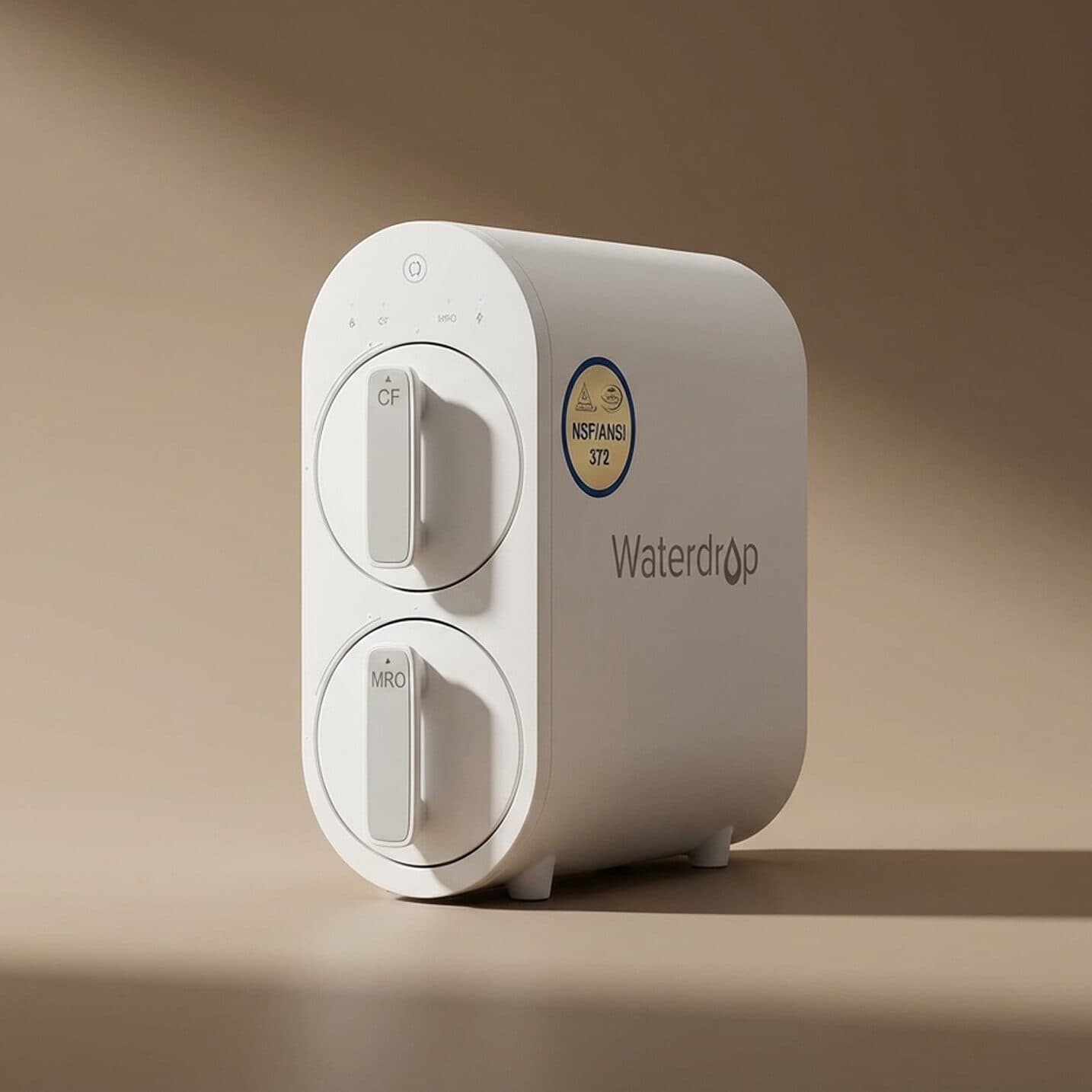
Kachko and Dr. Daniel Angerbauer, a preventive medicine physician at the Atria Health Institute, both recommend WaterDrop’s reverse osmosis filters, especially the tankless models, as they waste less water and take up less space under your sink. They also like APEC and AquaTru reverse osmosis filters. For all reverse osmosis filters, they recommend using remineralization cartridges alongside the RO filters.
If you don’t want to or can’t install a water filter under your sink, Berkey provides quality counter-top water filters, and ClearlyFiltered has well-regarded pitcher filters.
For those who want whole-home filtration, Kachko points to Pristine Hydro’s Ultimate Dual KDF Shower Filter, which is intended to remove chlorine and other disinfectant byproducts, volatile organic compounds, and heavy metals, among other contaminants.
The bottom line is that water filtration can significantly reduce your exposure to both regulated and emerging contaminants. How far you want to go is up to you—just remember, that proper maintenance is the key to your water filtration strategy working as intended.